Freedom to express and connect.
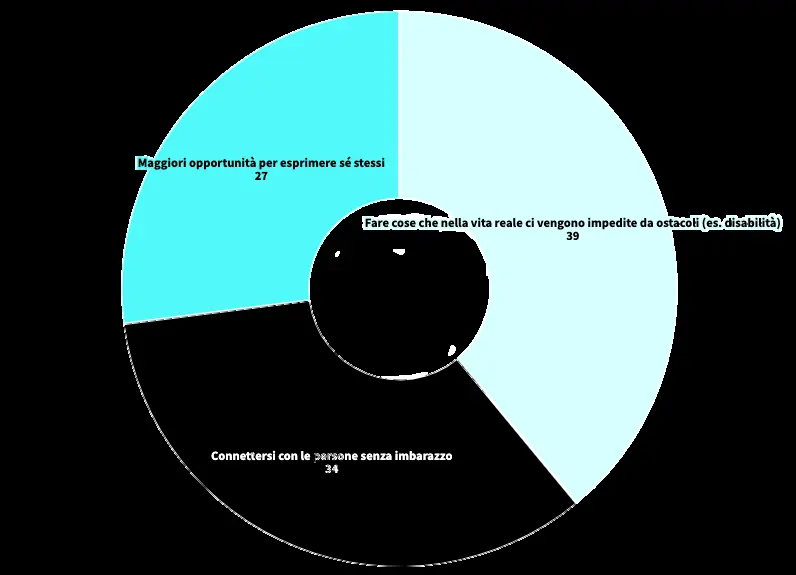

Can virtual spaces become more inclusive — or will they reproduce the inequalities of the physical world?
“When everyone
is included,
everyone wins.”
A data-led exploration of whether virtual environments can offer more freedom, representation and connection to people who feel excluded, insecure or constrained by expectations in everyday life.
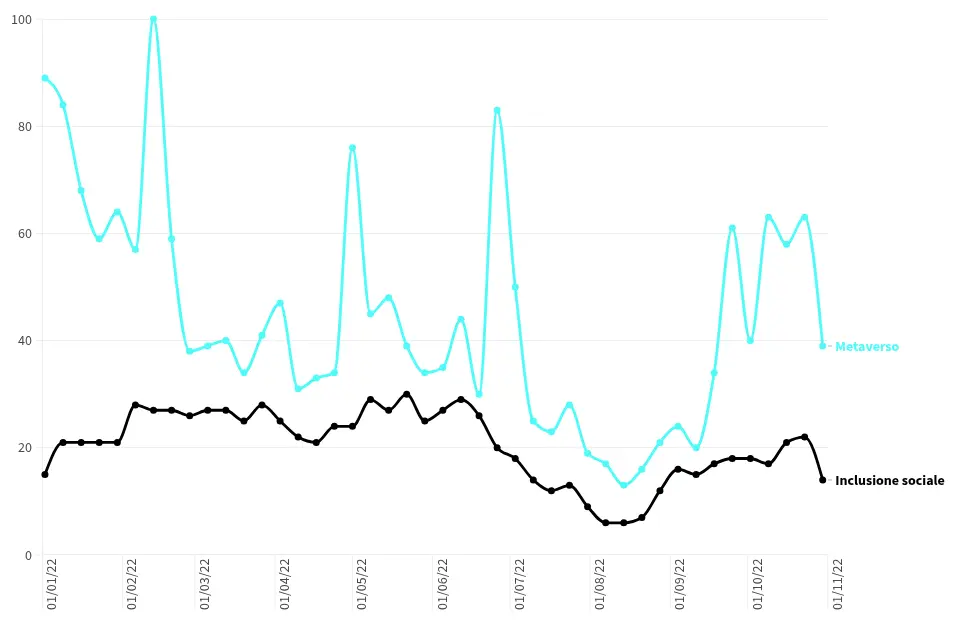
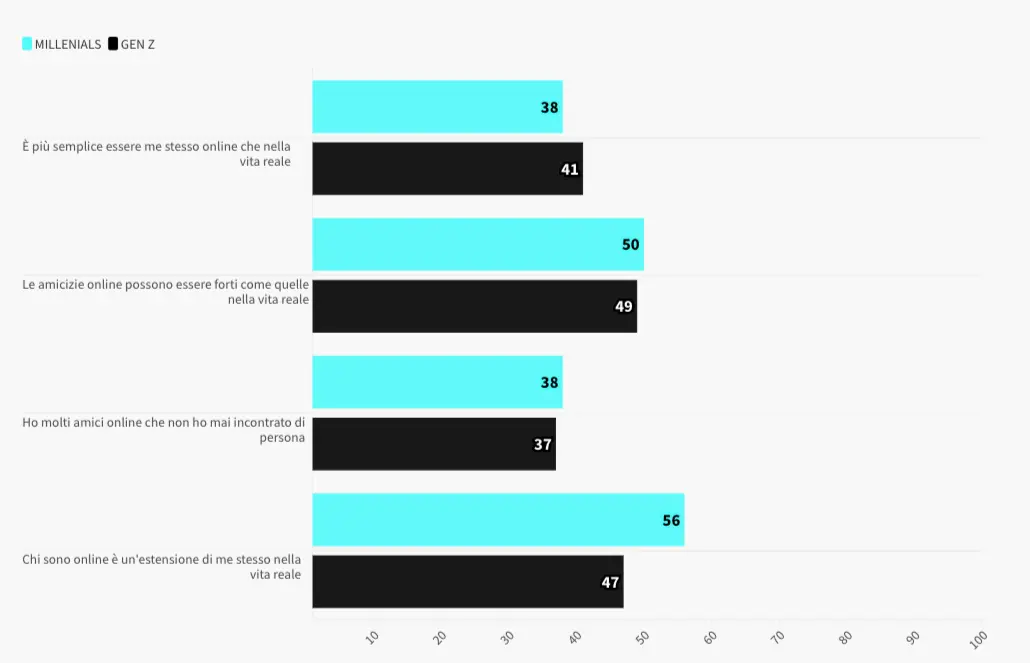
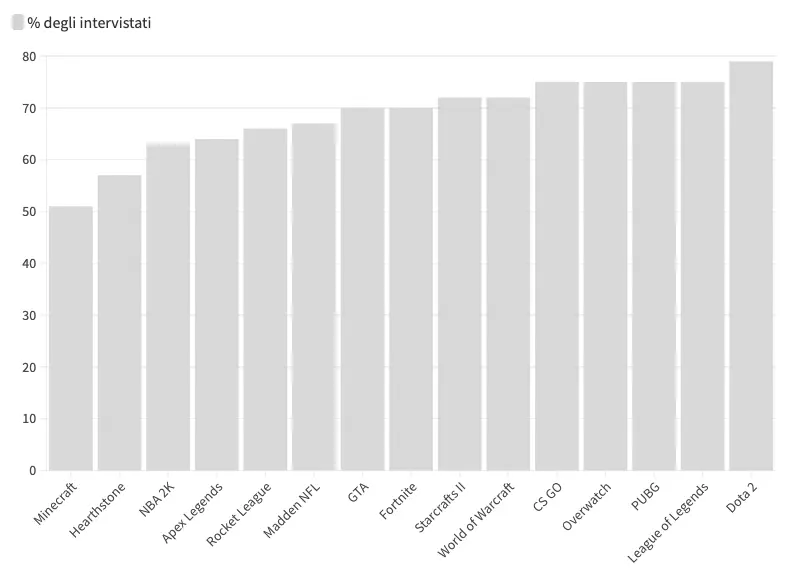
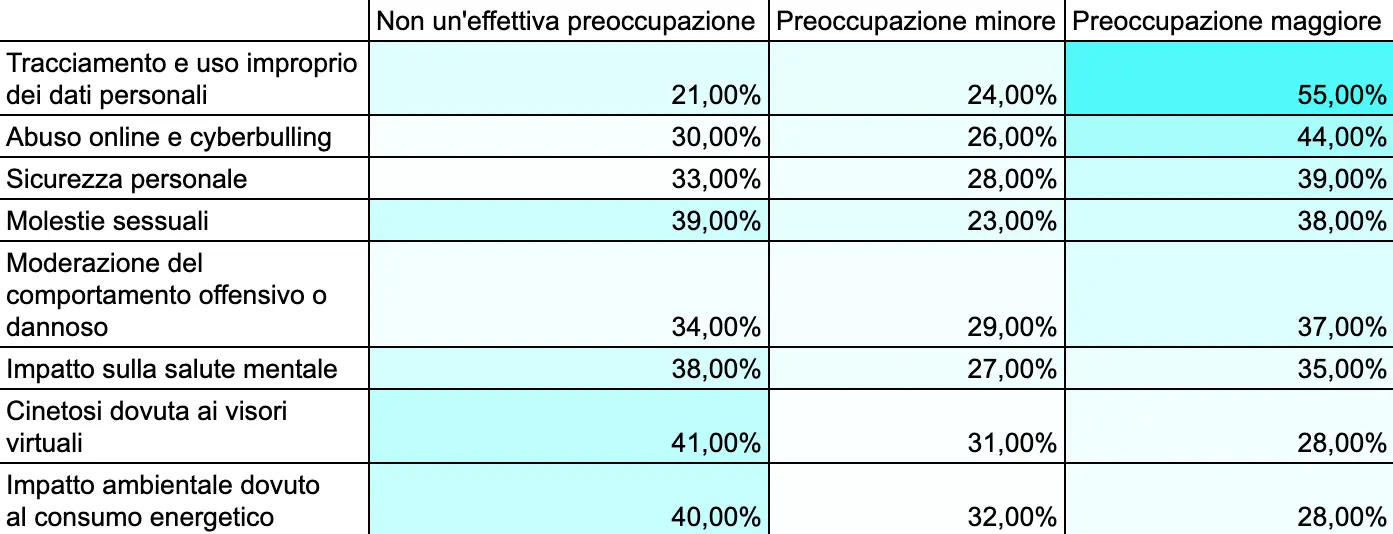
Only 14% of surveyed internet users in the original research expressed interest in government regulation of the metaverse.
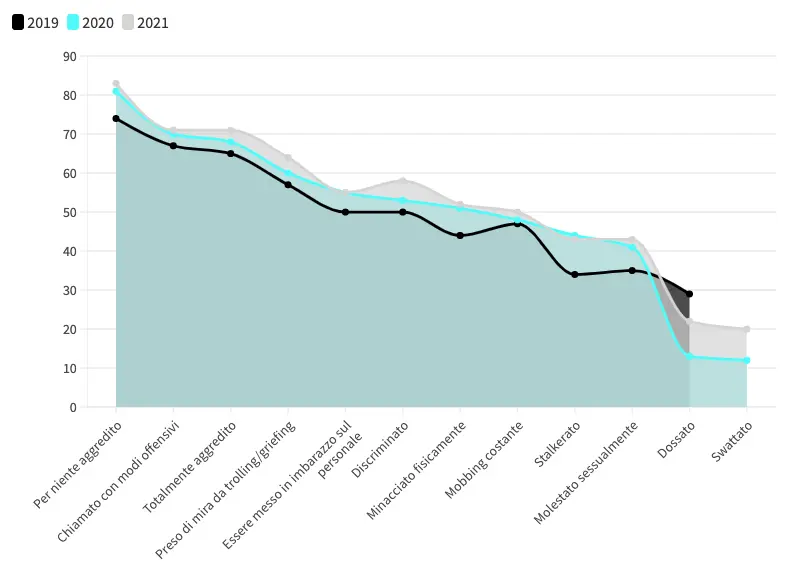
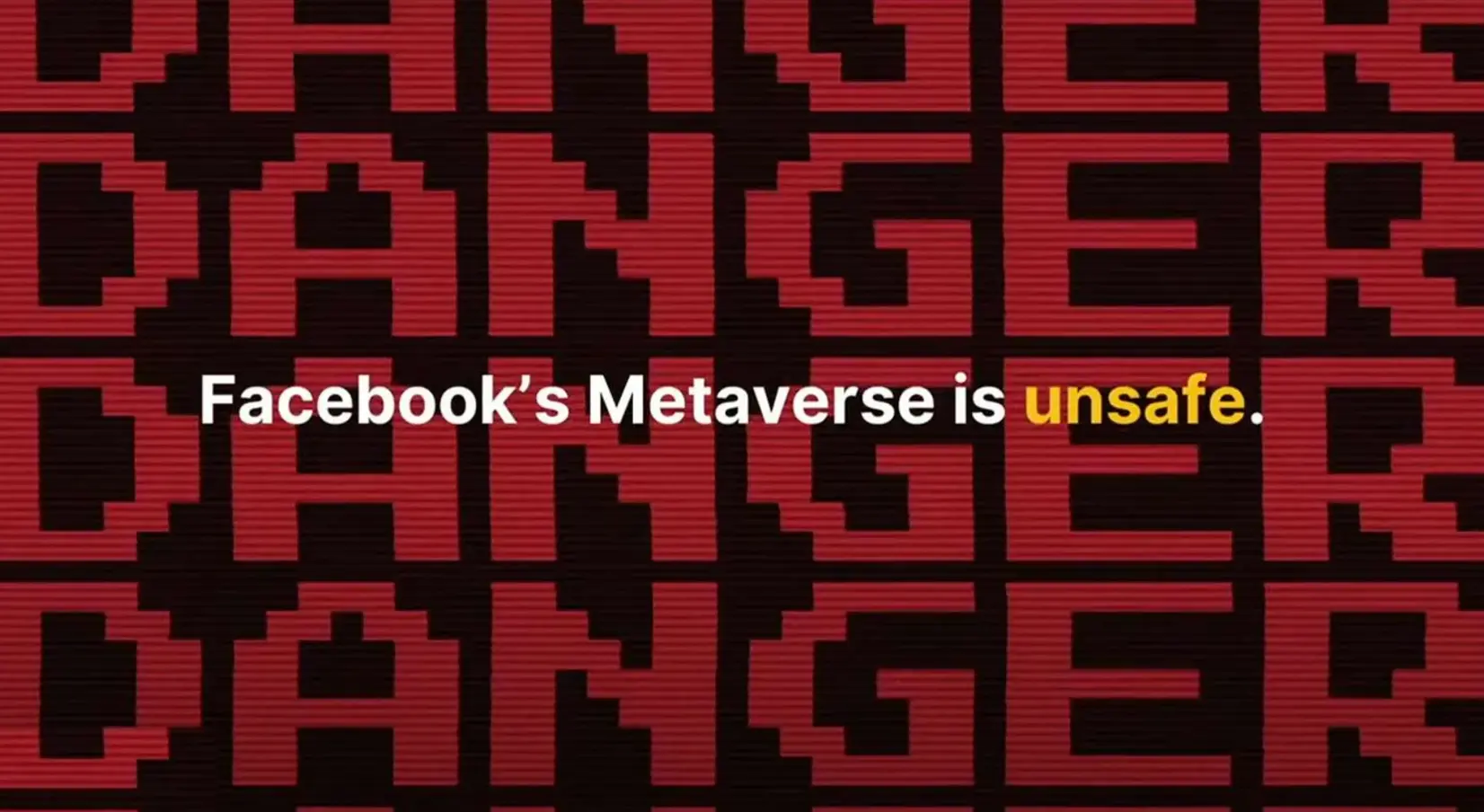
Statista · 2022, as cited in the original projectThe study juxtaposed declining positive social experiences in online games with evidence of harassment and unsafe behaviour. Representation matters, but it needs accessible design, community standards and active moderation around it.
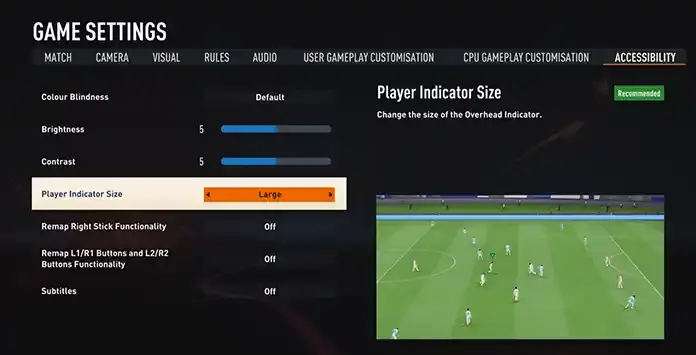
The study highlighted how bringing accessibility settings into the main menu can make support easier to discover and use, including visual, audio and controller options.
A broader mix of gender identities, sexual orientations and ethnic backgrounds showed how character design can help more players recognise themselves in a virtual world.
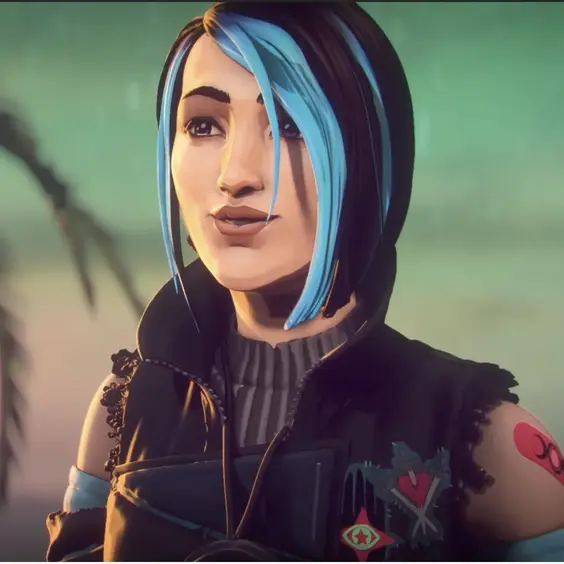
Pride-themed avatar releases and creator collaborations were used as examples of visibility translating into a positive community response.
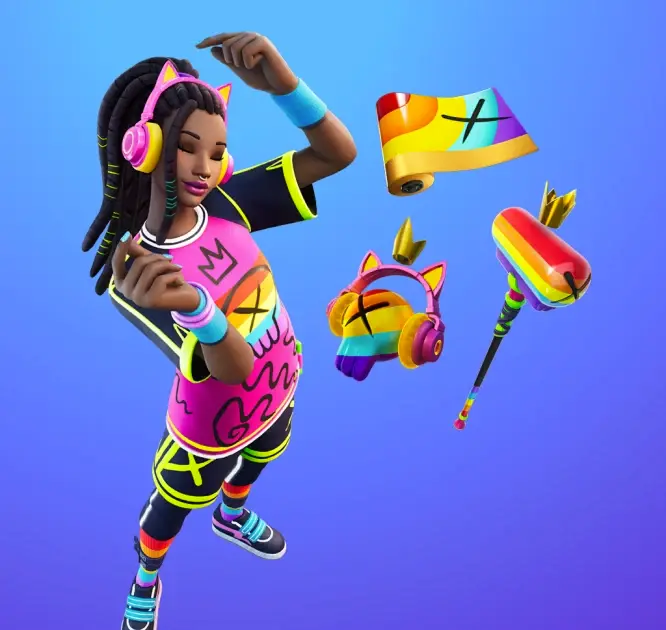
Virtual environments can create new ways to express identity and build community. But technology does not erase discrimination by itself: inclusion must be intentionally designed, protected and continuously evaluated.
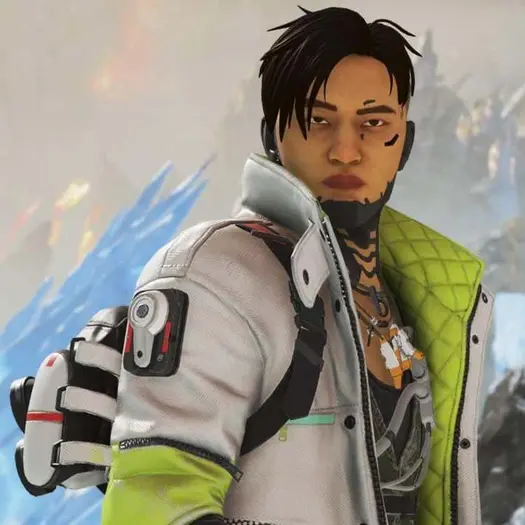
All statistics, examples and platform references are presented in their original 2022 research context and should not be read as current platform data.
Different identities.
Equal space.